


Kosovo Hiking Guide: 7 Best Trails to Explore in 2025
From the dramatic Rugova Gorge to the summit of Gjeravica — Kosovo's highest peak — this guide covers the seven best hiking trails in Kosovo for all ability levels.
Why Hike in Kosovo?
Kosovo is one of Europe's smallest countries — and one of its most rewarding hiking destinations. The Prokletije and Šar mountain ranges dominate the west and south, offering alpine scenery that rivals anything in the Alps at a fraction of the crowds and cost. The country is compact enough that you can reach a mountain trailhead within two hours of the capital Pristina, yet the landscapes feel genuinely remote.
1. Rugova Gorge and Valley
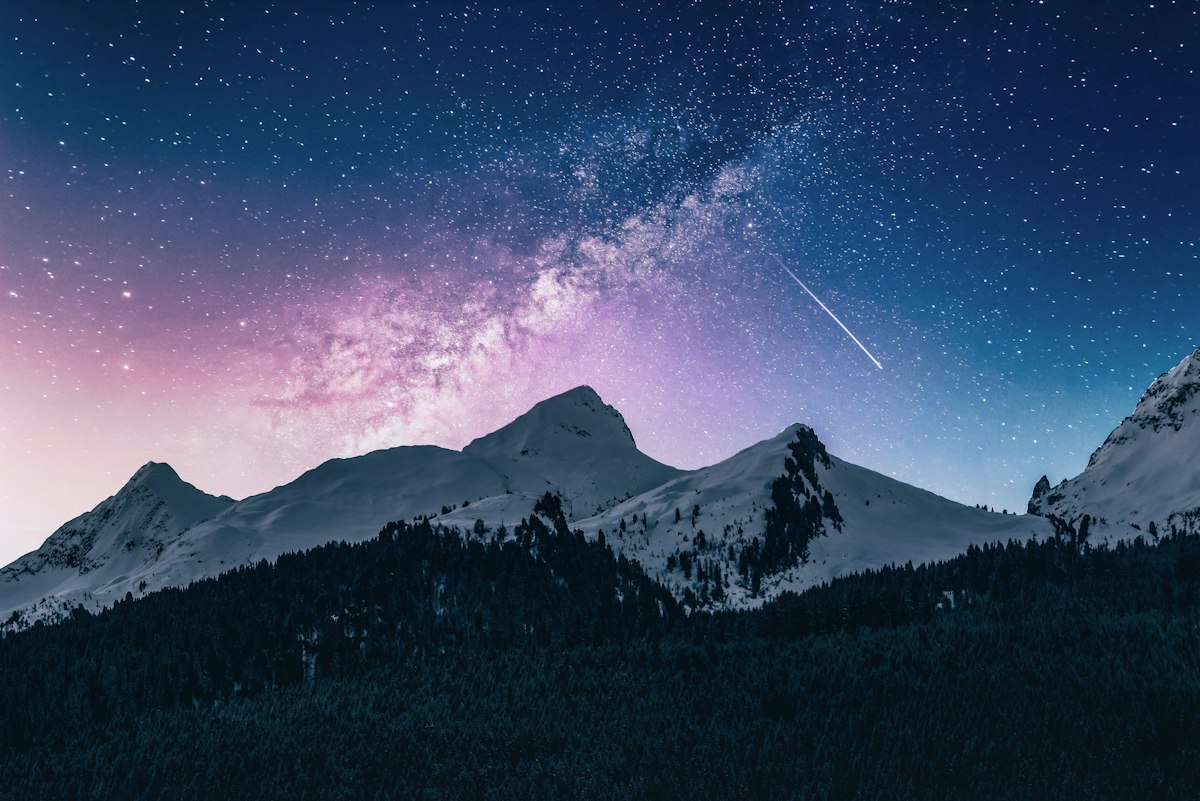
The Rugova Gorge is Kosovo's Grand Canyon — a dramatic limestone canyon carved by the Peja River, stretching 25 km west of Peja city. The sheer walls rise hundreds of metres and the gorge narrows to barely 30 metres wide in places.
The hike: The most popular walk follows the river along a trail used for centuries by shepherds and traders. The easy lower gorge section is 8 km (3 hours return). Extend into the Rugova Valley — a wide glacial valley above the gorge — for full-day or multi-day hiking. The Peaks of the Balkans trail passes through here.
Difficulty: Easy (gorge) to Moderate (upper valley). Best time: May–October.
2. Gjeravica — Kosovo's Highest Peak (2,656 m)
Gjeravica (also spelled Đeravica in Serbian) stands at 2,656 metres and is the highest point in Kosovo, located on the border with Albania in the Prokletije range. It is a genuine summit hike with a long approach and a rocky scramble to the top.
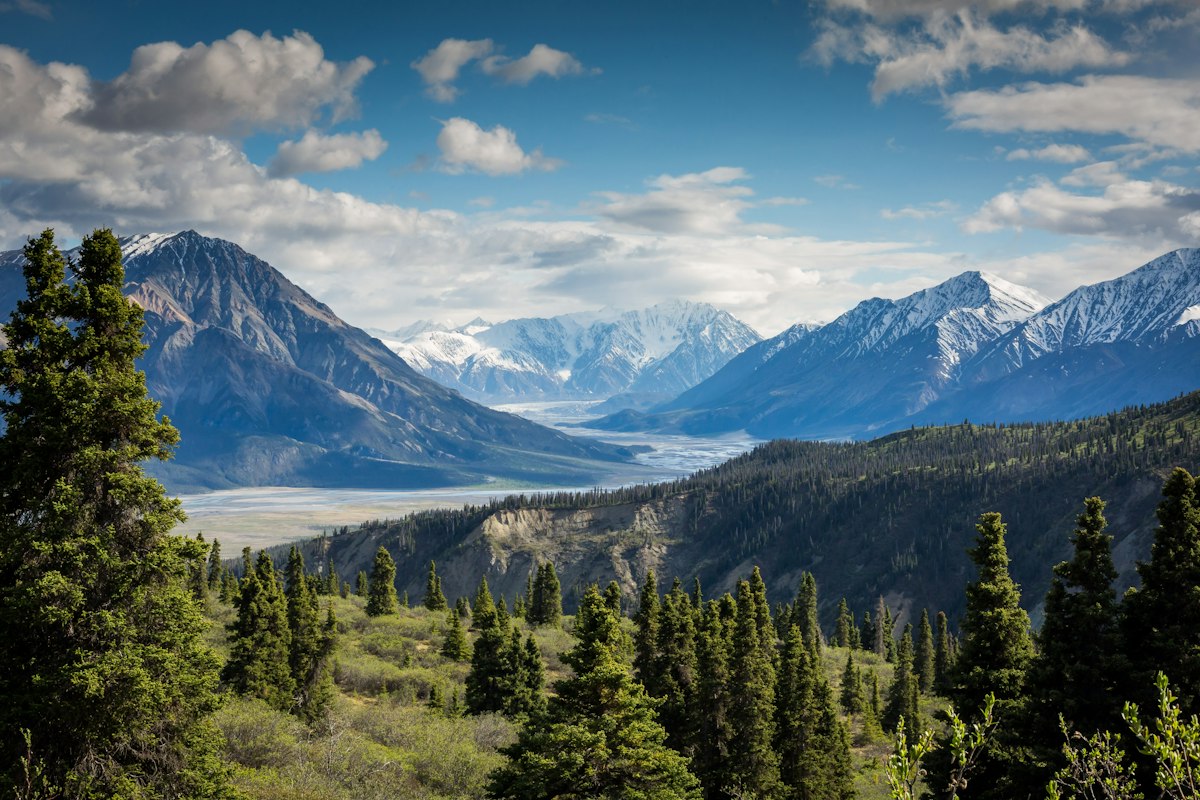
Route: The most accessible route starts from the village of Lumbardh (near Peja). The trail climbs through beech and pine forest before emerging onto open alpine terrain. The summit day is demanding — 1,600 m of elevation gain — but non-technical. Allow 8–10 hours return.
Difficulty: Challenging. Best time: July–September (snow often lingers until late June).
3. Brezovica / Sharr Mountains
The Šar Mountains (Kosovo side: Brezovica area) run along the border with North Macedonia and offer a completely different landscape from the Prokletije — broad grassy ridges, glacial lakes, and ski resort infrastructure that becomes hiking trails in summer.
The iconic walk is the Lake Luboten circuit: from Brezovica village, climb to the clear glacial lake at 2,400 m with views deep into North Macedonia. The Šar ridge walk can be extended to multi-day with wild camping.
Difficulty: Moderate. Best time: June–September.
4. Mirusha Waterfalls Canyon
One for hikers who love water. The Mirusha Waterfalls are a series of 13 lakes connected by cascading waterfalls carved through white limestone in central Kosovo. The national park trail follows the canyon bottom — wading sections are unavoidable and that's entirely the point.
The hike: 6 km one way (12 km return) through the canyon. Bring sandals or water shoes for the wading sections. Not suitable after heavy rain when water levels rise quickly.
Difficulty: Easy–Moderate. Best time: June–September.
5. Koritnik Mountain (above Dragash)
Koritnik (2,394 m) towers over the Gora region of southern Kosovo, a predominantly Gorani-speaking area near the Albanian and North Macedonian borders. The mountain is little-visited by international hikers and rewards those who make the effort with exceptional ridge views across three countries.
Start from Dragash town; the route climbs through pine and spruce forest before breaking onto a wide grassy ridge. The summit is a 6–7 hour return trip.
Difficulty: Moderate. Best time: June–October.
6. The Rugova Eagles Nest Via Ferrata
For something more adventurous, the Eagles Nest via ferrata above Rugova Valley is Kosovo's most exciting fixed-rope climbing route. Steel cables and iron rungs take you up a sheer limestone face to a hidden plateau with vertigo-inducing views down to the valley floor.
No prior via ferrata experience is necessary but a head for heights and a helmet (rentable in Peja) are essential.
Difficulty: Challenging. Best time: May–October.
7. Peja Old Town to Patriarchate of Peć Walk
Not every hike needs to be about altitude. The short walk from Peja's old bazaar to the 13th-century Patriarchate of Peć monastery — through the entrance of the Rugova Gorge — is a beautiful half-hour stroll combining cultural heritage and the first taste of the gorge's dramatic scenery. Perfect as a first-day warm-up or rest-day option.
Getting to Kosovo's Hiking Trails
Fly into Pristina Adem Jashari International Airport (PRN). Most major European cities have direct connections — budget airlines including Wizz Air, Ryanair, and Eurowings operate routes. From Pristina, Peja (the main gateway for western Kosovo hiking) is 90 minutes by bus or shared taxi (furgon). For the Sharr Mountains, take a bus to Prizren (1.5 hrs from Pristina) then onward to Brezovica.
Practical Tips for Hiking in Kosovo
- Maps: Signage is improving but still patchy. Download Maps.me trails offline before you go.
- Water: Mountain springs are generally clean but carry a filter for longer routes.
- Accommodation: Peja is the main base. Guesthouses throughout Rugova Valley provide simple meals and beds at very low cost (€20–35 for dinner, bed, breakfast).
- Currency: Kosovo uses the euro. Card acceptance is improving in Peja city; mountain guesthouses are cash only.
- Safety: The mountains are remote. Tell someone your route and expected return time. Mobile signal is absent above ~1,500 m in most areas.