
Peaks of the Balkans: The Complete Hiking Guide for 2025
Everything you need to know about hiking the 192 km Peaks of the Balkans trail through Kosovo, Albania and Montenegro — routes, difficulty, best time to go, and what to pack.
What Is the Peaks of the Balkans Trail?
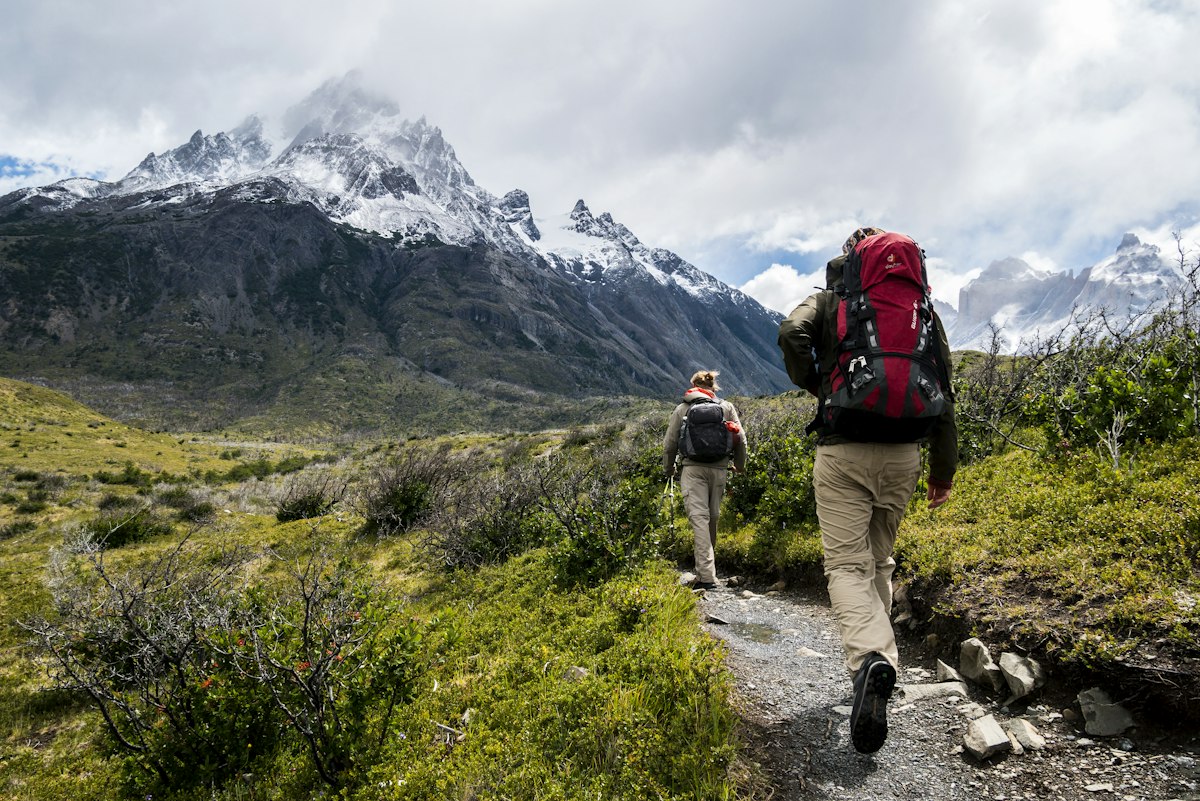
The Peaks of the Balkans is a 192-kilometre circular trekking route that winds through three countries — Kosovo, Albania, and Montenegro — in the heart of the Prokletije mountain range. Known in Albanian as the Bjeshkët e Namuna (Accursed Mountains), this is one of the last great wild frontiers of Europe.
The trail typically takes 10 to 13 days to complete in full, with most hikers covering 15–25 km per day depending on the stage. Elevation ranges from around 700 m in the valleys to over 2,500 m on high passes — so expect genuine mountain hiking, not a casual walk.
The 10 Classic Stages
The standard route begins and ends in Peja (Peć) in Kosovo, forming a loop. Here is the classic stage breakdown:
- Stage 1: Peja → Shtëpëza (Rugova Gorge entry, ~18 km)
- Stage 2: Shtëpëza → Çerem / Kuqishtë (~22 km, crossing into Albania)
- Stage 3: Valbona Valley traverse (~15 km, overnight in Valbona)
- Stage 4: Valbona → Theth via Valbona Pass (2,170 m, ~21 km — the iconic day)
- Stage 5: Theth → Dobërdol (~16 km, waterfalls and karst scenery)
- Stage 6: Dobërdol → Vusanje (Montenegro border crossing, ~18 km)
- Stage 7: Vusanje → Grebaje Valley (~14 km)
- Stage 8: Grebaje → Babino Polje / Plav (~20 km)
- Stage 9: Plav → Gusinje → re-enter Kosovo (~19 km)
- Stage 10: Rragam / Liqenat → Peja (~17 km, return descent)
Difficulty Level
The Peaks of the Balkans is rated moderate to challenging. The terrain is unmistakably alpine — rocky ridges, steep ascents, exposed passes — but you do not need technical climbing skills. What you do need is solid cardiovascular fitness, multi-day hiking experience, and comfortable, worn-in footwear.
The single hardest day is Stage 4, the Valbona–Theth crossing. The pass sits at 2,170 m and the descent to Theth is steep, loose scree in places. Allow a full 7–8 hours and carry enough water.
When to Go
The trail is accessible from mid-June to late September. The sweet spot is July to early September: snow has melted from the passes, guesthouses are fully open, and the wildflower meadows are at their most spectacular. July and August are busier — if you prefer solitude, the last two weeks of June or September are ideal.
Avoid May and early June: the high passes can still be deep in snow and border crossings at altitude may be impassable. October sees the first snowfall and many guesthouses close.
Accommodation: Guesthouses Along the Trail
One of the great joys of the Peaks of the Balkans is the network of family-run guesthouses (Albanian: bujtina) that dot the route. These are not luxury lodges — expect shared dorms or simple double rooms, home-cooked meals of fresh bread, white cheese, lamb stew, and rakia — but the warmth of the hosts more than compensates.
Booking ahead is strongly recommended in July and August when the trail is at its busiest. On our guided departures, all accommodation is pre-booked and included in the price.
Border Crossings
The trail crosses three international borders: Kosovo–Albania, Albania–Montenegro, and Montenegro–Kosovo. These are pedestrian mountain crossings — there are no roads, no formal customs posts. You'll need a valid passport (most EU nationals and many others enter Kosovo visa-free; check your specific country). Kosovo is not an EU or Schengen member, so there is a passport stamp at each crossing.
Border guards do patrol these mountain passes, particularly on the Montenegro side. Carry your passport at all times and ensure your visa status is valid for all three countries before you leave.
Essential Gear for the Peaks of the Balkans
- Waterproof hiking boots with ankle support (broken-in, not new)
- Trekking poles — essential for the steep descents
- Rain jacket and a warm mid-layer (temperatures drop sharply at altitude)
- 35–50 litre pack with rain cover
- Headlamp (early starts are common)
- Offline maps downloaded: Maps.me or Wikiloc for the PoB trail
- Cash in euros — guesthouses rarely accept cards
Going Solo vs Joining a Guided Group
Experienced mountain hikers can do the trail independently — waymarking has improved significantly in recent years. But the terrain is remote, the route changes seasonally, and language barriers at border crossings can be challenging.
A guided group departure removes all the logistics: accommodation booked, transfers sorted, local guides who know every variant and shortcut, and the safety net of having an expert on hand in genuinely wild terrain. It's also the best way to meet a group of like-minded hikers and share the experience.
How to Get There
Most hikers fly into Pristina (PRN), Kosovo — served by most major European airlines. From Pristina, Peja is roughly a 90-minute bus or taxi ride. Alternatively, fly into Tirana (TIA), Albania, and travel north to Shkodër or Bajram Curri if you want to start from the Albanian side.
Summary
The Peaks of the Balkans is one of Europe's great undiscovered hiking trails — wild, culturally rich, logistically achievable, and genuinely breathtaking. Whether you spend 10 days doing the full loop or join a highlights itinerary covering the best stages, this is a journey that stays with you.